In the world of orthopedic implants, understanding warranty periods is crucial. Dr. Emily Hart, a renowned orthopedic surgeon, states, “The warranty period can often define the quality of the implant.” Many patients ask, "What is the typical warranty period for orthopedic implants?" This question is significant, as it reflects concerns about durability and reliability.
Typically, the warranty on orthopedic implants ranges from 5 to 15 years. However, this varies by manufacturer and type of implant. Variations also exist in terms of the conditions covered by the warranty. Patients should be aware that not all warranties cover the same issues. This lack of uniformity can be confusing.
While some implants are designed to last a lifetime, others may not uphold the same standard. It's essential for patients to engage with their healthcare providers about these details. Ensuring a thorough understanding of warranties can lead to better health outcomes. Each implant tells a story that might not fully align with the given warranty. Reflecting on this can lead to better decision-making in the long run.
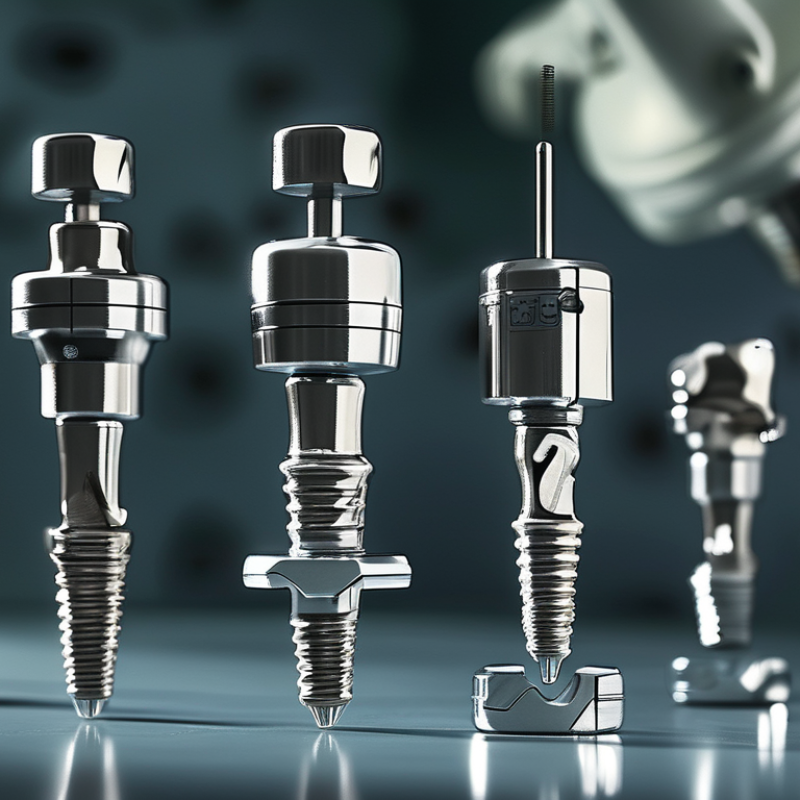
Orthopedic implants typically come with a warranty period that spans between 1 to 20 years, depending on the type and manufacturer. This timeframe reflects the expected lifespan of the implant. However, it’s essential to understand that a longer warranty does not always mean higher quality. In fact, some implants show signs of wear much earlier than anticipated.
When considering an orthopedic implant, it’s important to weigh the warranty duration. Look for information on specific cases and experiences from previous patients, as these insights can offer more clarity. Ask your orthopedic surgeon about the warranty details, but remember that individual factors such as activity level and overall health play significant roles in implant longevity.
Pay attention to your implant care instructions. Proper post-operative care can greatly influence the durability of the device. It’s also wise to maintain regular follow-ups with your healthcare provider. They can help identify any early signs of complications. Regular check-ups are just as important as the initial surgery. Keeping an open line of communication with your medical team will ensure that your experience remains as smooth as possible.
The warranty period for orthopedic implants often varies. Several factors influence this duration significantly. One primary aspect is the type of material used in the implant.
Titanium and stainless steel implants generally offer longer warranty periods due to their robustness. Biodegradable materials, on the other hand, may not last as long, leading to shorter warranties.
Another crucial factor involves the surgical technique employed during implantation. A properly executed procedure can enhance the implant's longevity. Conversely, complications arising from poorly performed surgeries might impact warranty validity.
Patient-specific factors also matter. Individual responses to implants can differ based on age, activity level, and overall health. These variations complicate the establishment of a standard warranty period.
It is essential for patients to understand these variables when considering orthopedic implants. While warranties offer some reassurance, they cannot guarantee success. Knowing the potential risks helps in making informed decisions. It's vital to discuss these factors with healthcare providers to set realistic expectations about implant longevity and performance.
Orthopedic implants have become essential in modern medicine. Their reliability influences patient health significantly. Various types of implants come with different warranty periods. Understanding these policies helps patients make informed decisions.
Common types of orthopedic implants include joint replacements, screws, and plates. Many manufacturers offer warranties ranging from 1 to 10 years. Joint replacements often have longer warranties due to the complexity involved. Some implants may have lifetime warranties, but conditions apply. Always read the fine print to understand what is covered.
When considering an orthopedic implant, research the manufacturer’s reputation. Look for implants with a proven track record. Check for clinical studies and patient reviews. Ask your doctor about the warranty specifics during your consultation. This ensures you choose a reliable implant that suits your needs.
Regular follow-ups with your healthcare provider are vital. They help monitor the implant’s functionality over time. If issues arise, knowing the warranty details can guide you on the next steps. Be proactive, and advocate for your health when it comes to orthopedic implant decisions.
The warranty period for orthopedic implants typically ranges from five to ten years. During this time, patients can expect coverage for defects in materials and workmanship. It's crucial to understand that these warranties often do not cover complications from surgery or implant misuse. Consulting with your healthcare provider can help clarify what is specifically included in an implant's warranty.
Patients may experience uncertainty about how their implant will perform over time. Regular check-ups with orthopedic specialists become essential during this period. These visits allow for monitoring of implant integrity and any signs of failure. It's not uncommon for patients to feel anxious about possible complications, especially as the warranty nears its end. Documenting any changes in condition can be helpful for discussions with healthcare providers.
While warranties provide a safety net, no implant is entirely risk-free. Some patients may face issues like loosening or infection, requiring additional procedures. Open communication with your medical team is vital for managing expectations. It’s a good practice to ask questions about what to do if problems arise. Understanding the limits of warranty coverage can empower patients to be proactive in their care.
The warranty period for orthopedic implants typically ranges from five to ten years, according to industry studies. However, the specifics can vary by product and manufacturer. Filing a warranty claim can sometimes be complex. It is essential to understand the terms associated with your implant’s warranty.
Start by reviewing the documentation provided at the time of your implant procedure. This paperwork usually outlines the warranty details, including the duration and what it covers. If you experience issues, gather relevant medical records and any documentation about your implant. Having this information on hand can streamline the process.
Effective communication is vital when filing a claim. Reach out to your healthcare provider for assistance. They can guide you on the next steps and may even help initiate the claim process. Be prepared for potential delays. Sometimes, additional paperwork may be required, leading to frustration. Keep organized copies of all communications regarding your claim.
For those navigating this process, remember to stay proactive. Document each interaction and follow up regularly. While the warranty process can feel overwhelming, maintaining clear records will aid in ensuring a smoother experience. Seek support from healthcare professionals if you encounter challenges.
: Orthopedic implants usually have a warranty spanning from 1 to 20 years.
No, a longer warranty does not guarantee better quality. Some implants may wear out earlier.
The type of materials used and the surgical technique significantly affect the warranty length.
Following care instructions can greatly enhance the durability of an orthopedic implant.
Review the warranty documents and gather medical records. This can help streamline the claim process.
Yes, regular check-ups are essential for spotting any early signs of complications.
Yes, age, activity level, and overall health all play roles in implant performance and warranty claims.
Stay proactive, document each interaction, and seek guidance from healthcare professionals for support.
Yes, complications from surgery may impact the warranty's validity. Proper procedures are vital.
No, warranty durations can vary significantly based on the implant type and manufacturer.
The article titled "What is the Typical Warranty Period for Orthopedic Implants?" explores the various aspects of warranty coverage for orthopedic devices. Typically, the warranty duration for these implants can range from a few years to a lifetime, depending on the type of implant and the policies of the manufacturers. Factors influencing the length of the warranty include the materials used, the complexity of the implant, and the specific indications for use.
Additionally, the article outlines common types of orthopedic implants and their respective warranty policies, detailing what patients can expect during the warranty period. It also provides guidance on how to file a warranty claim, ensuring that patients are equipped with the necessary knowledge to address any issues that may arise with their implants. Understanding these aspects is crucial for patients navigating the postoperative journey and the support provided by manufacturers.

Daher Orthopedic Implants