High-precision orthopedic implants engineered for anatomical stability and long-term surgical success.
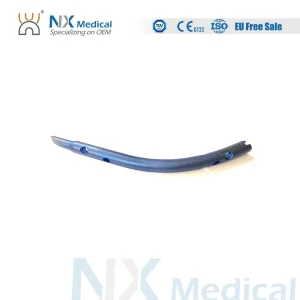
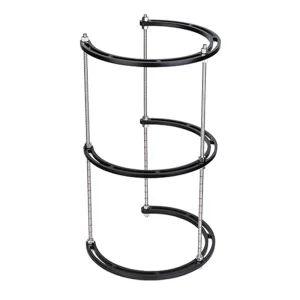
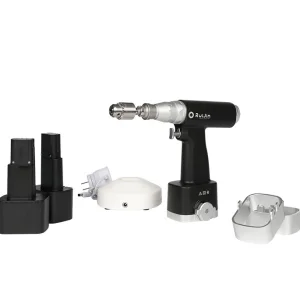
Integrating clinical feedback, sub-micron engineering, and rigorous international quality systems.
We are dedicated to the research, development, production, and sales of orthopedic implants and surgical instruments. In the continuous process of design updates, we strive for excellence, meticulously crafting each product to empower spine surgeons and improve patient outcomes worldwide.
Our foundational quality control philosophy is straightforward: Quality and integrity first, striving for excellence, and pursuing the highest standards. Through tight collaborations with global clinical experts, academic researchers, and senior spine surgeons, our internal R&D engineers translate complex anatomical challenges into precise dynamic and static spinal stabilization hardware.
Our manufacturing complex has earned full ISO 9001 and ISO 13485 certifications. Every pedicle screw, interbody cage, laminar hook, and stabilization rod exceeds international quality and safety benchmarks, including CE MDR standards and FDA baseline expectations. For years, our implants have served major healthcare systems across Europe, the Americas, Africa, and Southeast Asia.
An authoritative technical analysis of pedicle screw mechanics, thread geometries, and load-sharing dynamics.
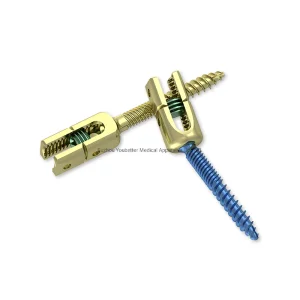
Spinal instrumentation demands an optimal balance between rigid fixity and intraoperative versatility. Our polyaxial pedicle screws feature a friction-fit tulip head allowing up to 52 degrees of multi-planar angulation. This minimizes rod-contouring maneuvers, reduces stress concentration at the bone-screw interface, and expedites minimally invasive surgical (MIS) procedures.
To maximize pull-out strength in both osteoporotic and high-density cortical bone, our screws employ a dual-lead proximal cortical thread transition paired with a deep cancellous pitch distal core. Dual-thread designs cut insertion time in half while delivering superior mechanical anchoring power validated through rigorous ASTM F1717 axial pull-out testing.
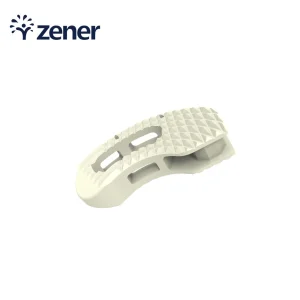
Interbody fusion devices act as load-bearing structural struts. We utilize medical-grade PEEK (Polyether Ether Ketone) featuring an elastic modulus closely matching natural human trabecular bone (3.6 GPa), reducing stress-shielding risks. Optional titanium plasma spray coating provides micro-roughness that promotes rapid osteointegration according to Wolff’s Law.
In modern spine surgery, restoring the natural lordotic curve of the lumbar spine and preserving cervical lordosis are paramount to preventing Adjacent Segment Disease (ASD). Our stabilization systems incorporate predefined anatomic lordotic angles within interbody fusion cages (Banana PEEK, Bullet PEEK, and Expandable cages) along with pre-contoured Titanium Alloy (Ti-6Al-4V ELI) rods. By maintaining rigid dynamic stabilization under complex torsional, flexural, and compressive dynamic loads, our hardware protects the anterior column while allowing ideal load sharing.
Furthermore, locking set-screws utilize a specialized inverse buttress thread profile. This architecture channels lateral forces inward toward the rod core rather than outward against the tulip walls, virtually eliminating cross-threading and tulip splay during high-torque tightening in complex thoracic and thoracolumbar deformity reconstructions.
Pioneering next-generation materials, additive manufacturing, and digital surgical ecosystems.
The transition from traditional subtractive machining to 3D selective laser melting (SLM) enables the creation of biomimetic porous implants. These structures mirror the natural 60-80% porosity and interconnecting pore size (300-500 microns) of human cancellous bone. Our ongoing R&D roadmap focuses on fully additive 3D-printed titanium fusion cages that encourage bone ingrowth throughout the entire body of the implant, diminishing the dependence on autologous bone graft harvesting.
Future spine stabilization relies heavily on surgical speed, minimal tissue disruption, and robotic accuracy. We are expanding our MIS percutaneous pedicle screw portfolio with extended-cannulated head options, self-tapping tip profiles, and integrated optical navigation tracking markers. This allows seamlessly guided placement under real-time intraoperative CT or fluoroscopic robotic guidance, dramatically reducing radiation exposure and surgical site morbidity.
Rigid fusion is not always the optimal clinical endpoint. Our engineering roadmap includes semi-rigid dynamic stabilization systems incorporating flexible polymer cores or nitinol memory-alloy rods. These devices provide pedicle-based segment stability while preserving micro-motion, reducing stress transmission to adjacent mobile discs and maintaining segmental kinematics in early-stage degenerative disc disease (DDD).
Incorporating strain micro-sensors into spinal rods will soon afford clinicians real-time, non-invasive telemetric monitoring of fusion progress. Concurrently, our surface-engineering divisions are evaluating silver nanoparticle nanostructured matrix coatings and micro-textured antimicrobial surfaces to actively prevent biofilm formation and surgical site infection (SSI).
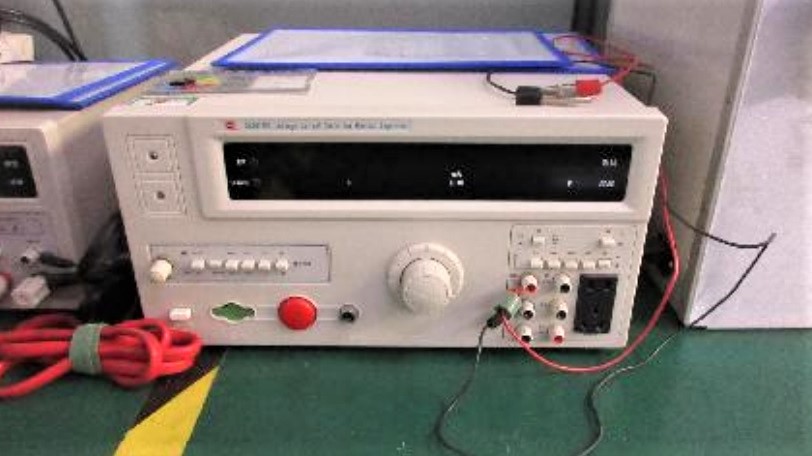
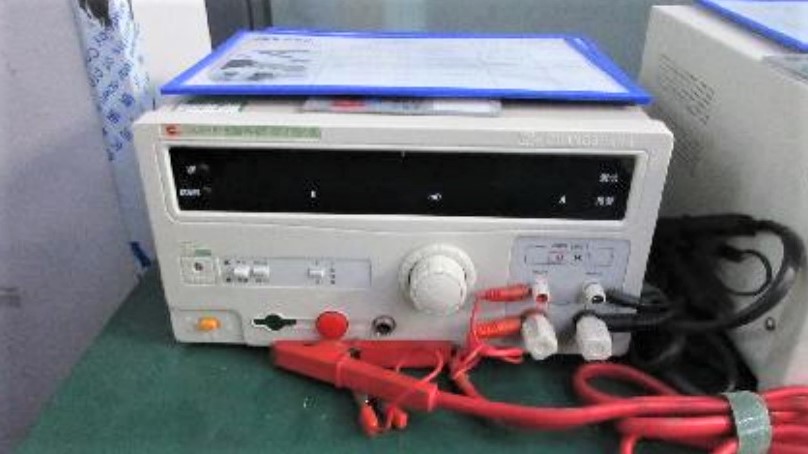
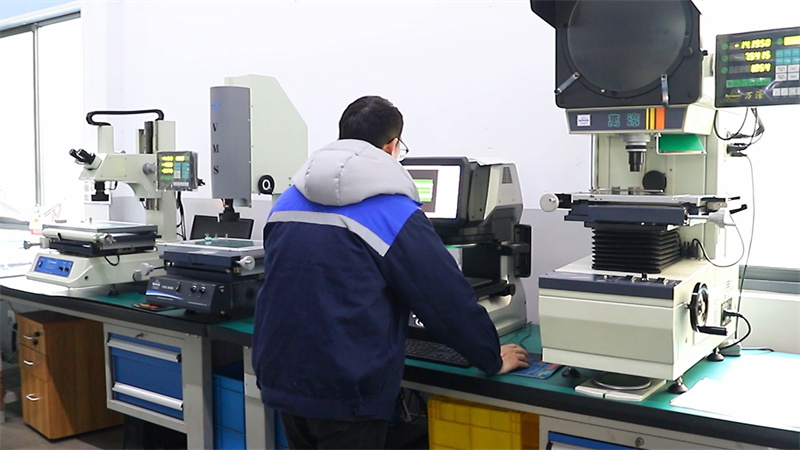
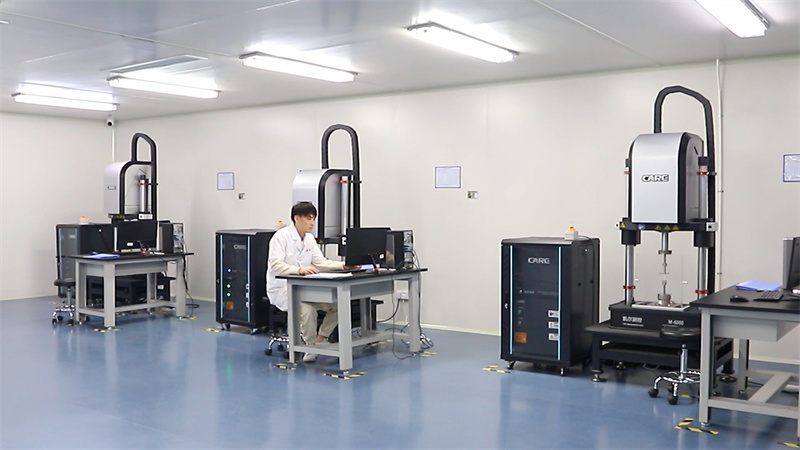
Combining state-of-the-art CNC precision hardware, automated multi-stage washing, and exhaustive biomechanical validation.
In the modern global healthcare ecosystem, medical device brands, OEM buyers, and hospital networks require absolute supply chain predictability, rigid quality compliance, and cost competitiveness. China’s advanced precision manufacturing infrastructure provides an unmatched environment for scaling medical-grade orthopedic hardware production.
Our integrated manufacturing line eliminates supply chain bottlenecks by maintaining all critical operations in-house: from raw grade 5 Titanium bar stock milling to final multi-axis anodization, ultrasonic drying, vacuum tempering, and cleanroom sterile packaging.

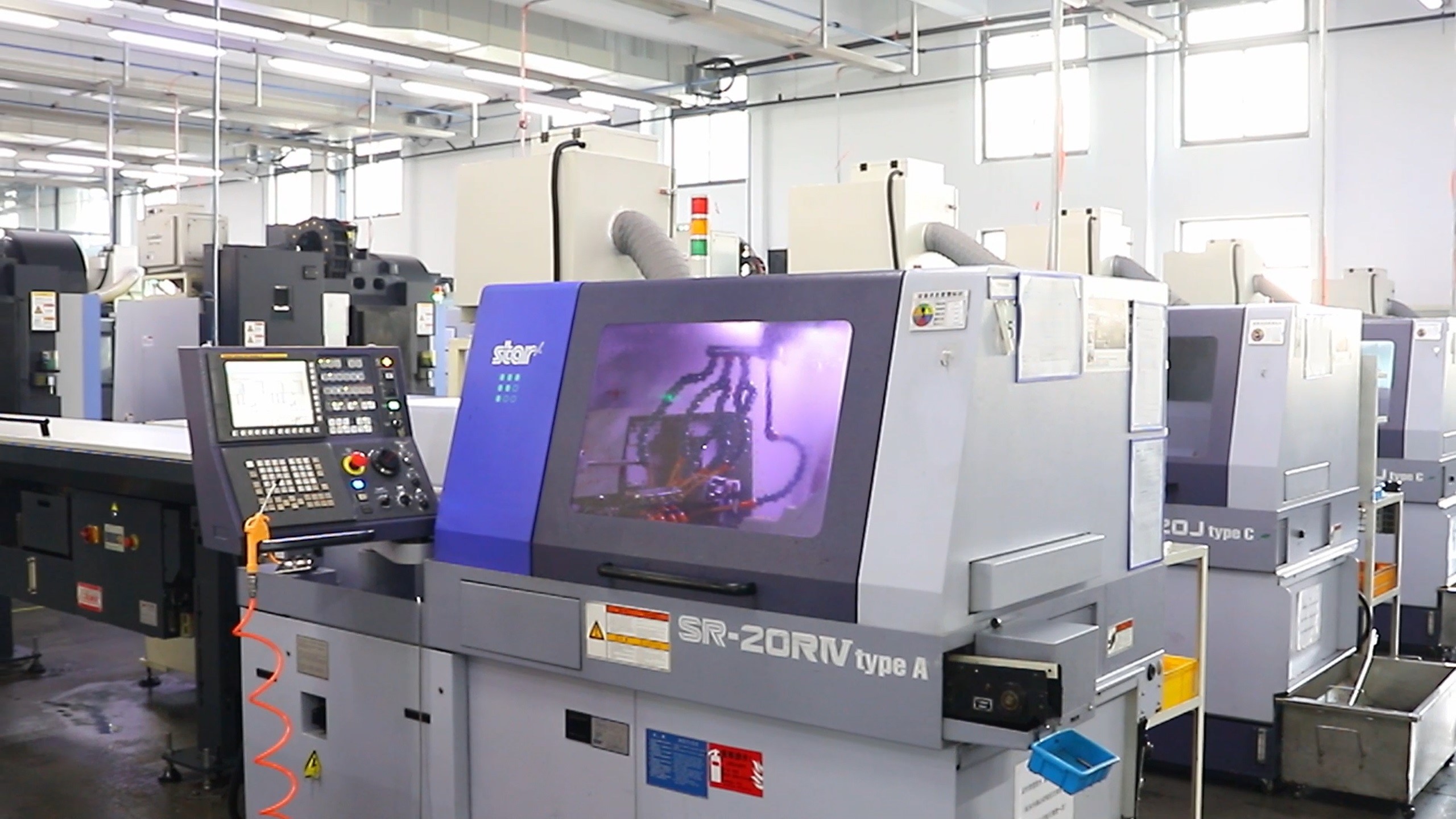
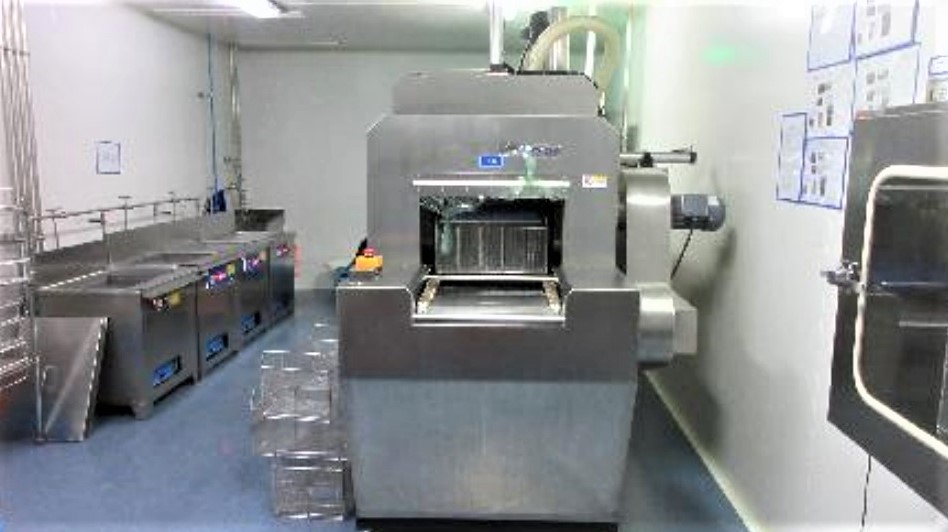
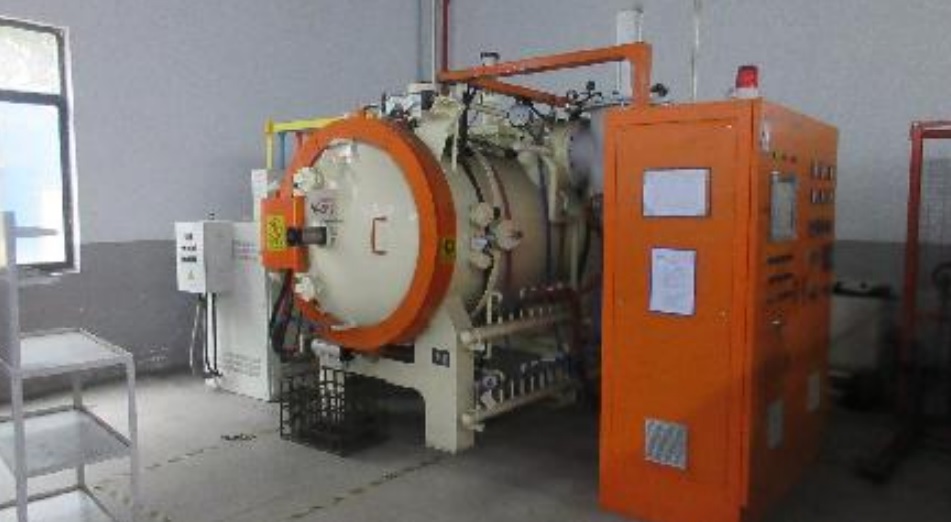
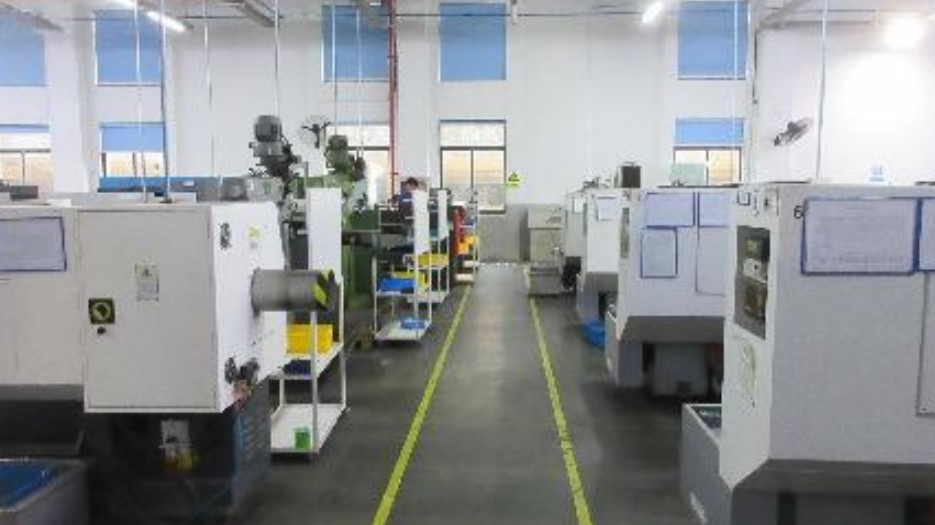

Solving financial and operational bottlenecks for global distributors, OEM brand owners, and hospital systems.
Western medical device prices are frequently inflated by excessive marketing overheads. By partnering directly with a qualified Chinese wholesale manufacturer, global distributors achieve up to 40-60% unit cost reductions without compromising raw material specifications (Grade 23 Ti-6Al-4V ELI or Invibio PEEK) or micro-machining tolerances (±0.005mm).
From CAD modifications and rapid prototyping to custom laser etching, customized tray sterilization layouts, and white-label regulatory documentation, we provide turnkey OEM/ODM solutions. Our agile manufacturing lines allow rapid scaling from small-batch pilot validation runs to full-scale automated commercial mass production.
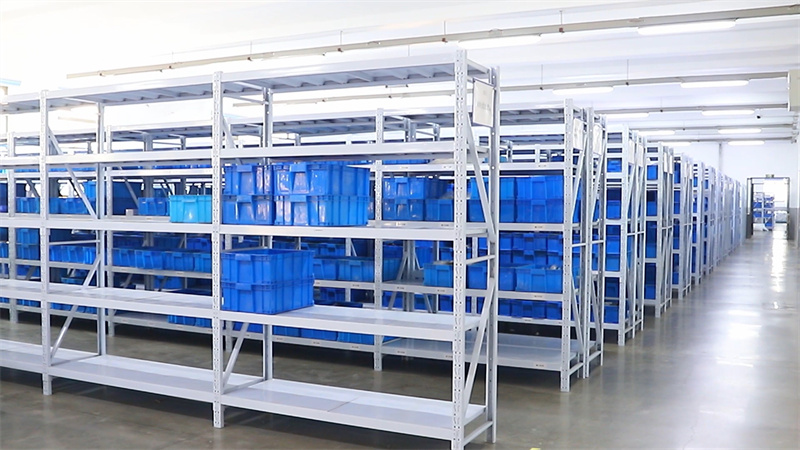
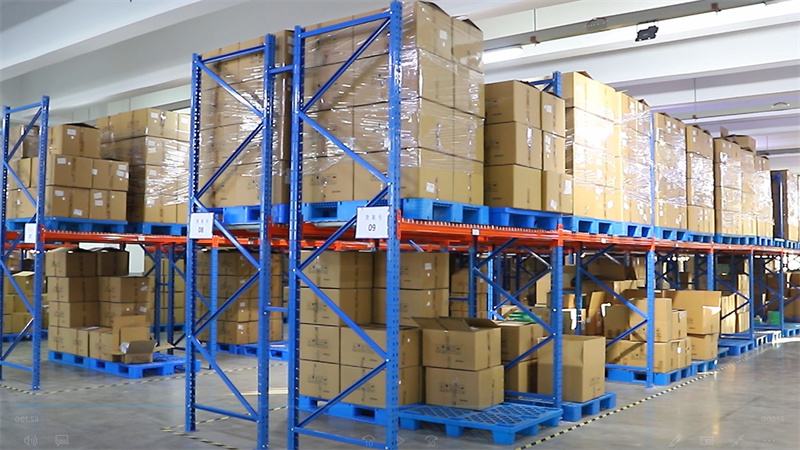
Global logistics bottlenecks can paralyze hospital surgical schedules. We maintain strategic safety stocks of certified titanium rods, PEEK polymers, and raw block materials. Supported by robust ERP manufacturing resource tracking, we guarantee predictable lead times and continuous order status visibility.
De-risking regulatory pathways across FDA 510(k), CE MDR (EU 2017/745), and regional health authorities.
Navigating evolving international regulatory frameworks requires comprehensive technical documentation, rigorous testing dossiers, and full material batch traceability. Our regulatory affairs team provides end-to-end support tailored to your local jurisdiction:
Explore our full spectrum of certified surgical hardware and anatomical reconstruction tools.
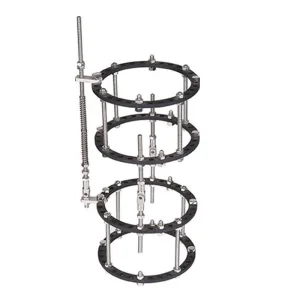
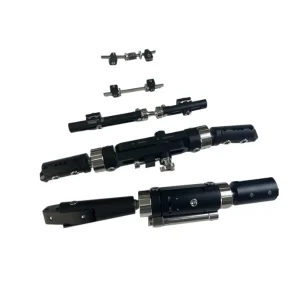
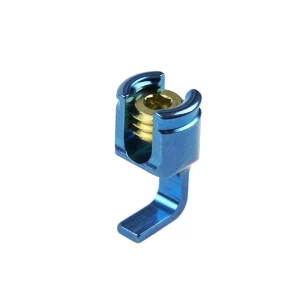
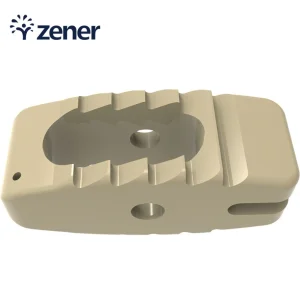
Technical, regulatory, and commercial inquiries answered by our engineering and procurement team.
 Daher Orthopedic Implants