Daher Orthopedic Implants
1 / 5
Proximal humeral fractures are among the most common fractures, accounting for 4%–5% of all fractures. The mechanism of injury usually occurs when the elbow strikes the ground or the arm is braced during a fall, especially in elderly patients, or when the shoulder joint directly sustains external force.
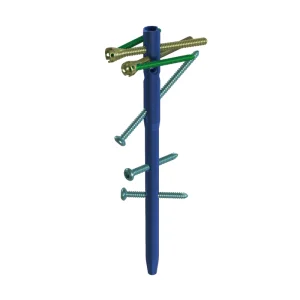
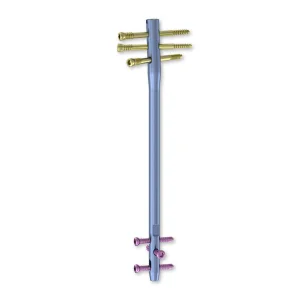
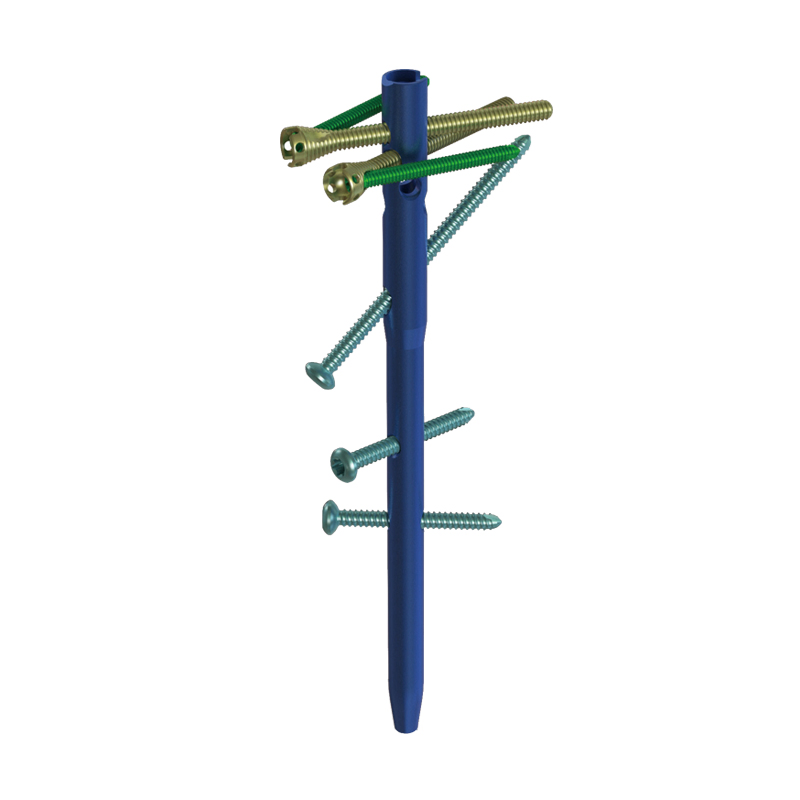
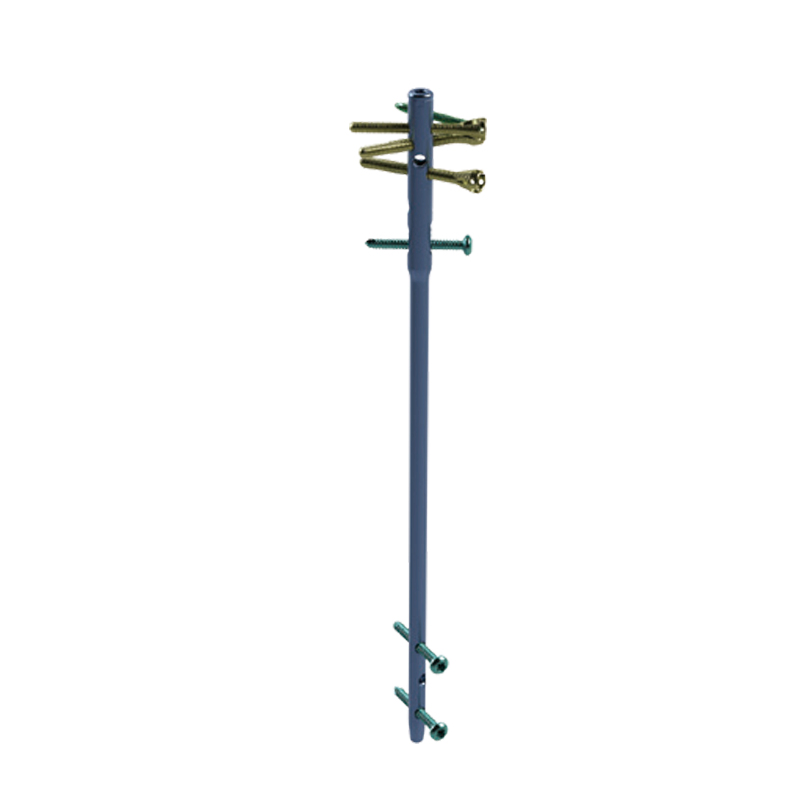
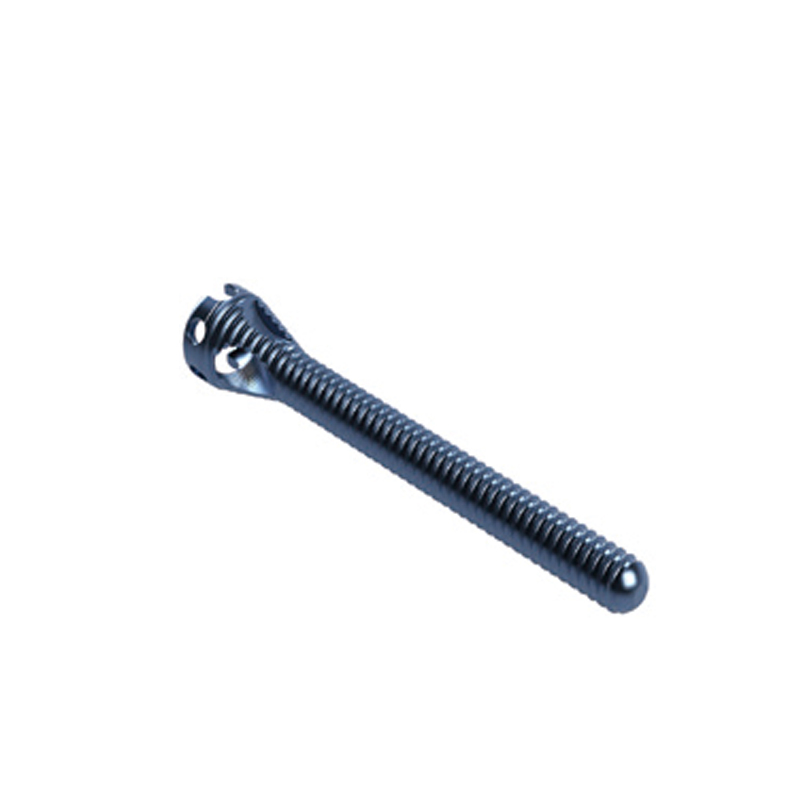
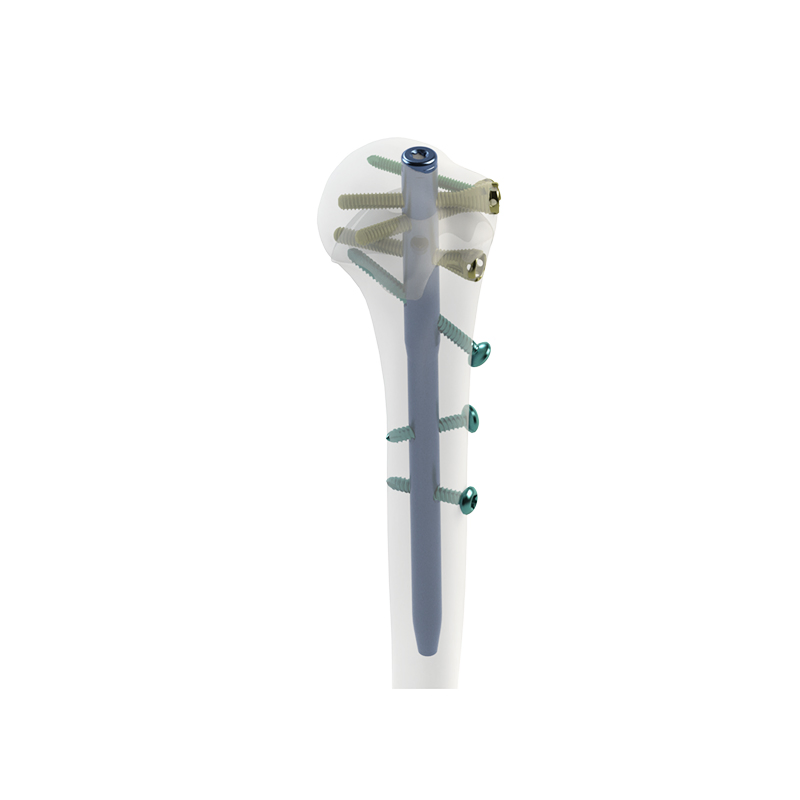
Additional "screw-in-screw" technique can be used through the head of lateral screws to enhance stability, particularly effective for patients with osteoporosis.
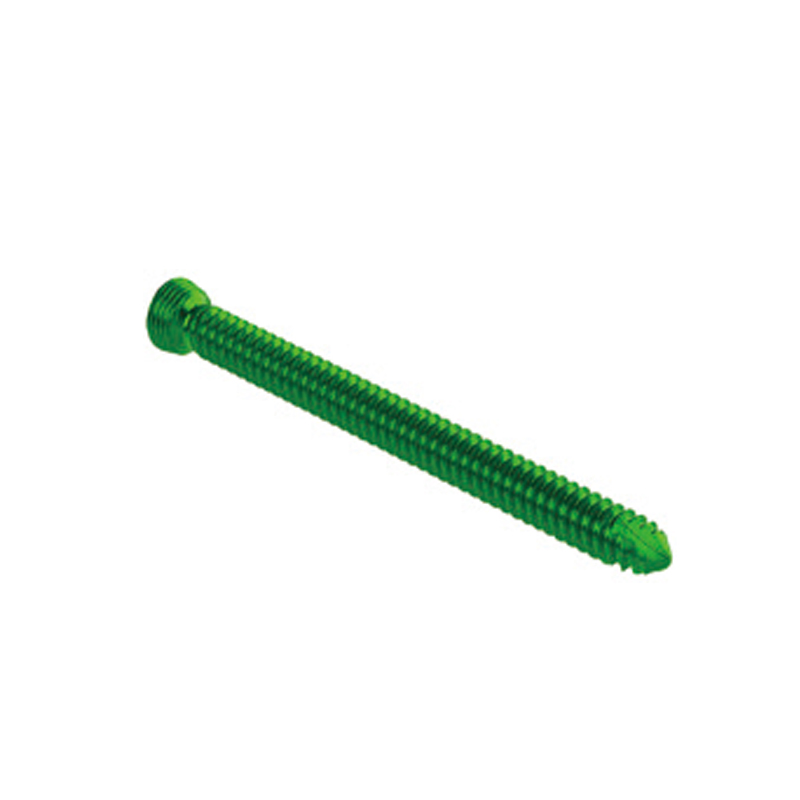
Three lateral screws in the greater tuberosity ensure basic structural stability; additional anterior screws can enhance construct stability.
The ascending screw supports the medial calcar region. Two distal interlocking screws in different planes reduce implant toggling.